Health Blog
How Vestibular Dysfunction Disrupts Your Sense of Balance
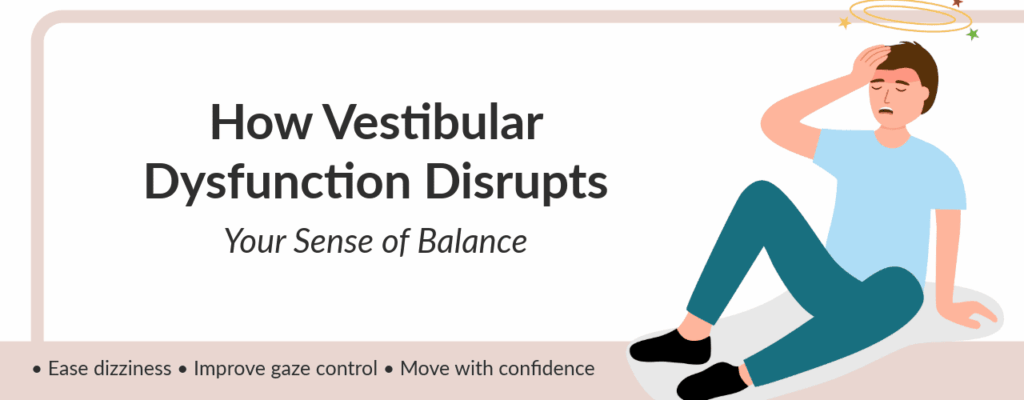
Feeling dizzy, lightheaded, or off-balance can make daily activities difficult and, in some cases, dangerous. However, understanding what’s happening inside your body can help alleviate the fear around these sensations, which often stem from vestibular dysfunction.
The team at is always here to help you understand your symptoms and condition. Below, we answer some of our patients’ most common questions about balance challenges and the vestibular system.
Answering Your Questions About Vestibular Dysfunction
What Is Vestibular Dysfunction?
Read full blogWhat You Need to Know About Degenerative Disc Disease and Back Pain

Back pain can slowly sneak into your daily life: a dull ache after sitting too long, stiffness when you wake up, or sharp discomfort after lifting something light. For many adults, these symptoms come from back pain from degenerative disc disease, a common spinal condition that develops gradually over time. Although it sounds serious, this condition is manageable and often responds very well to the right kind of treatment. Understanding what’s happening in your spine can help you take control of your recovery and stay active.
Read full blogUsing Physical Therapy as a Drug-Free Pain Management Tool
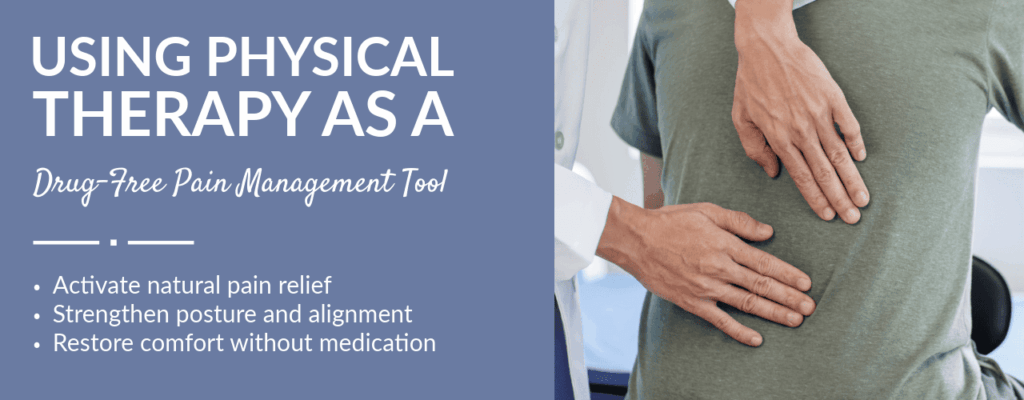
Living with pain can be exhausting. It can limit your ability to work, exercise, or even enjoy time with friends and family. While medications may provide temporary relief, they often come with side effects and do not address the true source of discomfort. More people are now seeking safe, long-term solutions to manage pain naturally. That is where physical therapy for pain management becomes essential. Through movement, education, and guided care, therapy helps reduce pain, restore function, and improve quality of life without relying on medication.
Read full blogHow Chronic Illness Impacts Balance and Increases Fall Risk
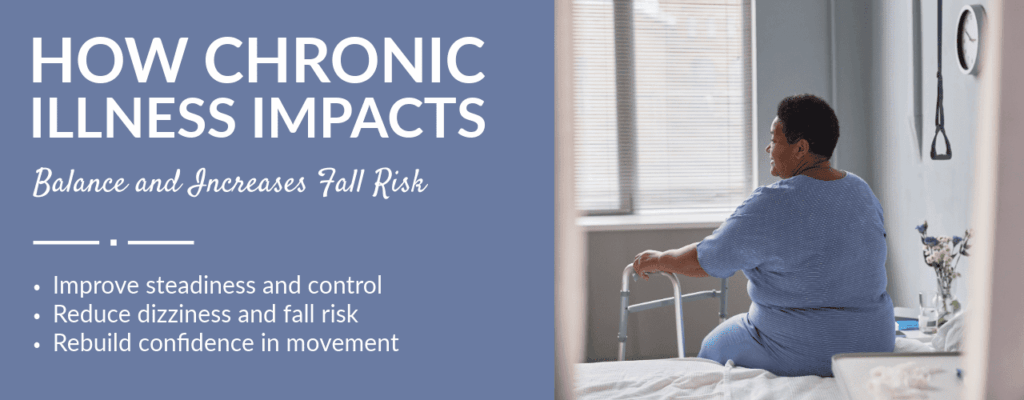
Many people with chronic conditions notice they feel unsteady or dizzy when walking, standing, or turning too quickly. These changes are not just a regular part of aging! In fact, they often stem from the direct link between chronic illness and balance. Understanding this connection helps prevent falls and supports long-term mobility.
Why Balance Problems Are Common with Chronic Illness
Balance relies on your body’s ability to gather and process information from three systems:
- The eyes provide visual input for orientation.
Is Joint Degeneration the Hidden Cause of Your Knee Pain?
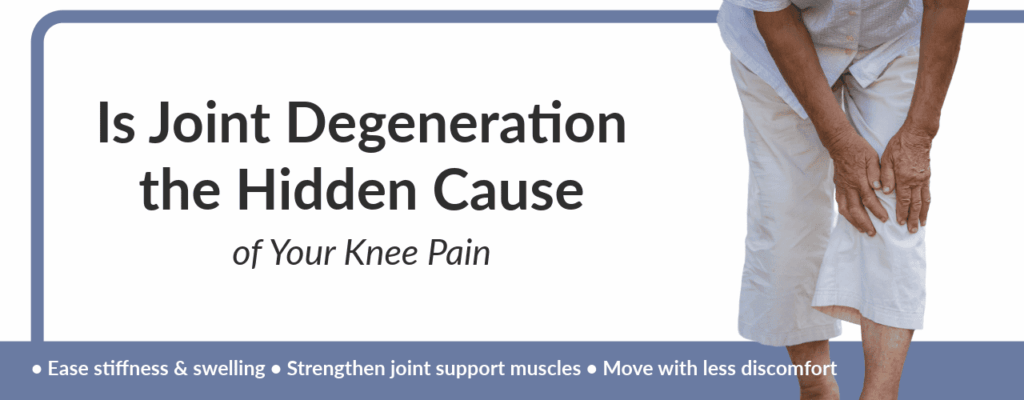
Many adults experience knee pain that starts gradually and worsens over time. You might feel stiffness when getting out of bed, discomfort when climbing stairs, or a dull ache after sitting for long periods. For many people, this pain doesn’t come from an injury. It’s knee pain and joint degeneration caused by wear and tear inside the joint.
Joint degeneration, often called osteoarthritis, happens when the protective cartilage that cushions your bones breaks down.
Read full blogVertigo vs Dizziness: What’s the Difference and Why It Matters

Have you ever stood up too quickly and felt the world tilt for a second? Or turned your head and suddenly felt like the room was spinning? Many people describe both sensations as “dizziness,” but these two experiences actually aren’t the same thing. The difference between vertigo vs dizziness matters because the causes, treatments, and recovery paths are very different.
To explore this idea, let’s look at the stories of two recent patients (their names have been changed) that show how recognizing the right symptom leads to faster, more effective relief.
Read full blogUnderstanding the Link Between Sciatica and Lower Back Pain
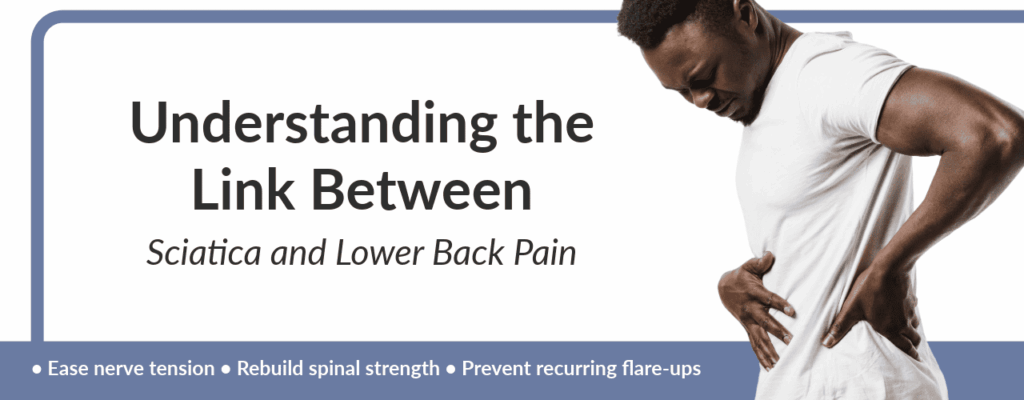
A deep ache in your lower back that travels down one leg can be frustrating and sometimes frightening. This pattern of pain is one of the most common signs of sciatica and back pain occurring together. While the discomfort may start in the back, it often radiates through the hip, thigh, or calf, making simple tasks like sitting or walking uncomfortable. Understanding how these two conditions are connected can help you take the right steps toward relief and recovery.
Read full blogUnderstanding the Benefits of Vestibular Therapy for Dizziness

Dizziness can make everyday life feel unpredictable. You might feel fine one moment, then suddenly lightheaded, unsteady, or as if the room is spinning. These symptoms can make walking, driving, or even turning your head feel risky. Fortunately, vestibular therapy benefits anyone struggling with these symptoms.
What Is Vestibular Therapy?
Your vestibular system is a network in your inner ear and brain that controls balance, spatial awareness, and eye movement. When this system is disrupted, it sends confusing signals to your brain, leading to dizziness or vertigo.
Read full blogRelieving Jaw Pain and TMJ Symptoms With Physical Therapy

Do you wake up with tightness in your jaw or headaches near your temples? Does your jaw pop or click when you chew? If so, you may be dealing with temporomandibular joint (TMJ) dysfunction, a condition that affects how your jaw moves and feels. TMJ pain can make eating, speaking, or even smiling uncomfortable. The good news is that physical therapy for jaw pain can help relieve tension, improve alignment, and restore natural jaw movement.
Read full blogWhat Is Vestibular Rehabilitation and How Does It Help Balance Disorders

Feeling off balance or lightheaded can make simple activities like walking, turning your head, or getting out of bed feel difficult. These sensations often come from problems within the vestibular system, a network inside the inner ear that helps your brain detect movement and maintain stability. When this system is not working properly, it can cause dizziness, unsteadiness, and even nausea. The good news is that vestibular rehabilitation can help.
Understanding Vestibular Rehabilitation
Vestibular rehabilitation is a specialized form of physical therapy that focuses on treating dizziness, vertigo, and balance problems.
Read full blog